Gas Safe registered·No call-out fee·Fixed price before we start

Smell gas? Ring the National Gas Emergency Service on 0800 111 999

Central heating repairs

Most “boiler faults” are not the boiler.

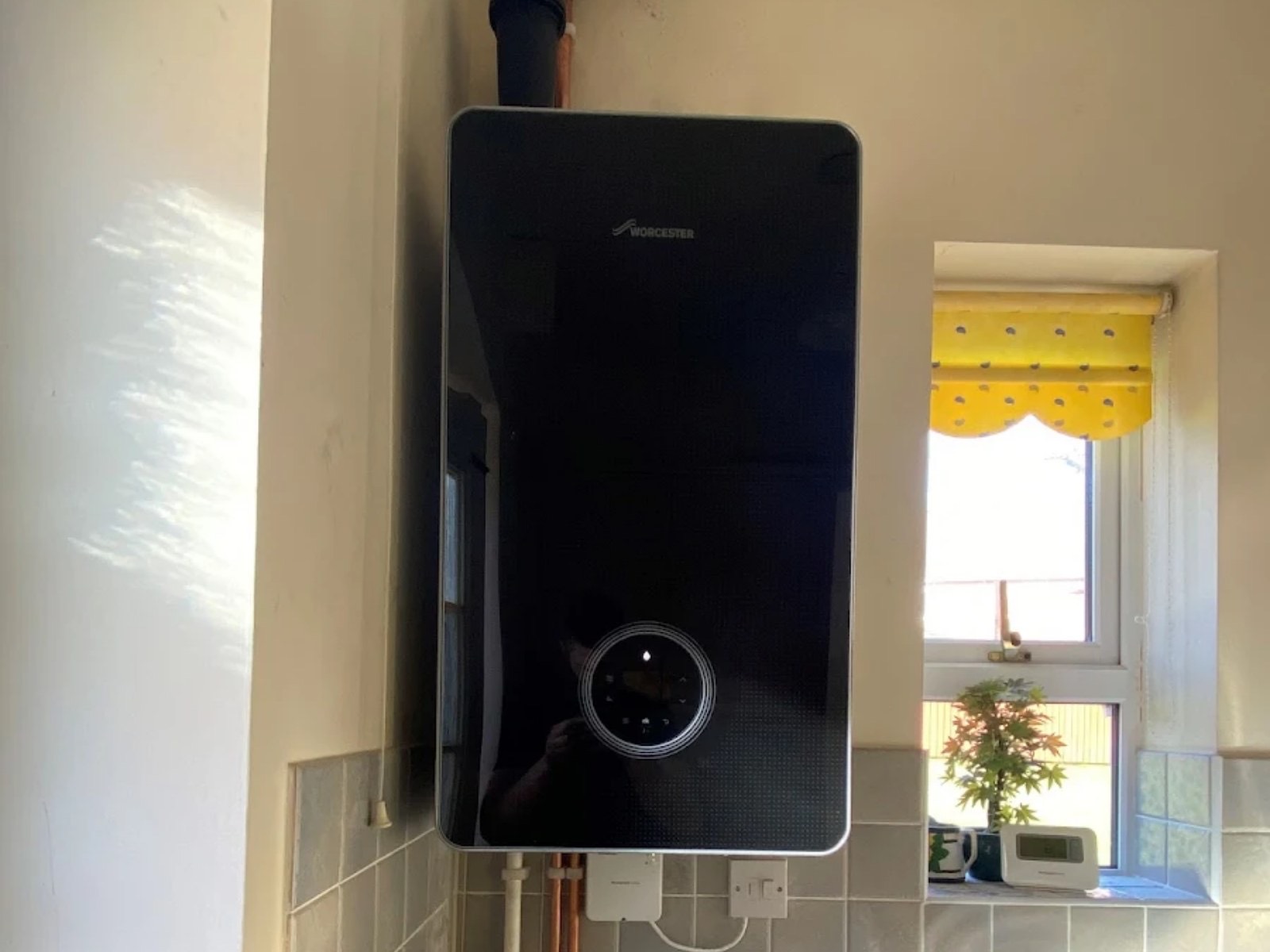
Nearly every heating fault gets reported as a boiler fault. A good number of them are not. The boiler is the loudest part of the system and the only part with a display on the front, so it takes the blame for pumps, valves, controls, wiring and water nobody has looked at in years.

System tested as a whole · no call-out fee

Central heating repairs

What’s included

  • A magnetic filter, fitted and actually emptied. It only works if someone services it.
  • Inhibitor at the right concentration. It depletes over time, and BS 7593 asks for it to be tested annually. A system drained for a radiator change loses it, and it is rarely put back.
  • Balancing. Radiators nearest the boiler will take more than their share unless the system is balanced deliberately.
  • Thermostatic radiator valves that still move. They seize open or shut over years, and a seized pin is a cold room that looks like a much bigger fault.
  • An annual service that includes the system, not just the appliance.

The system is longer than the boiler

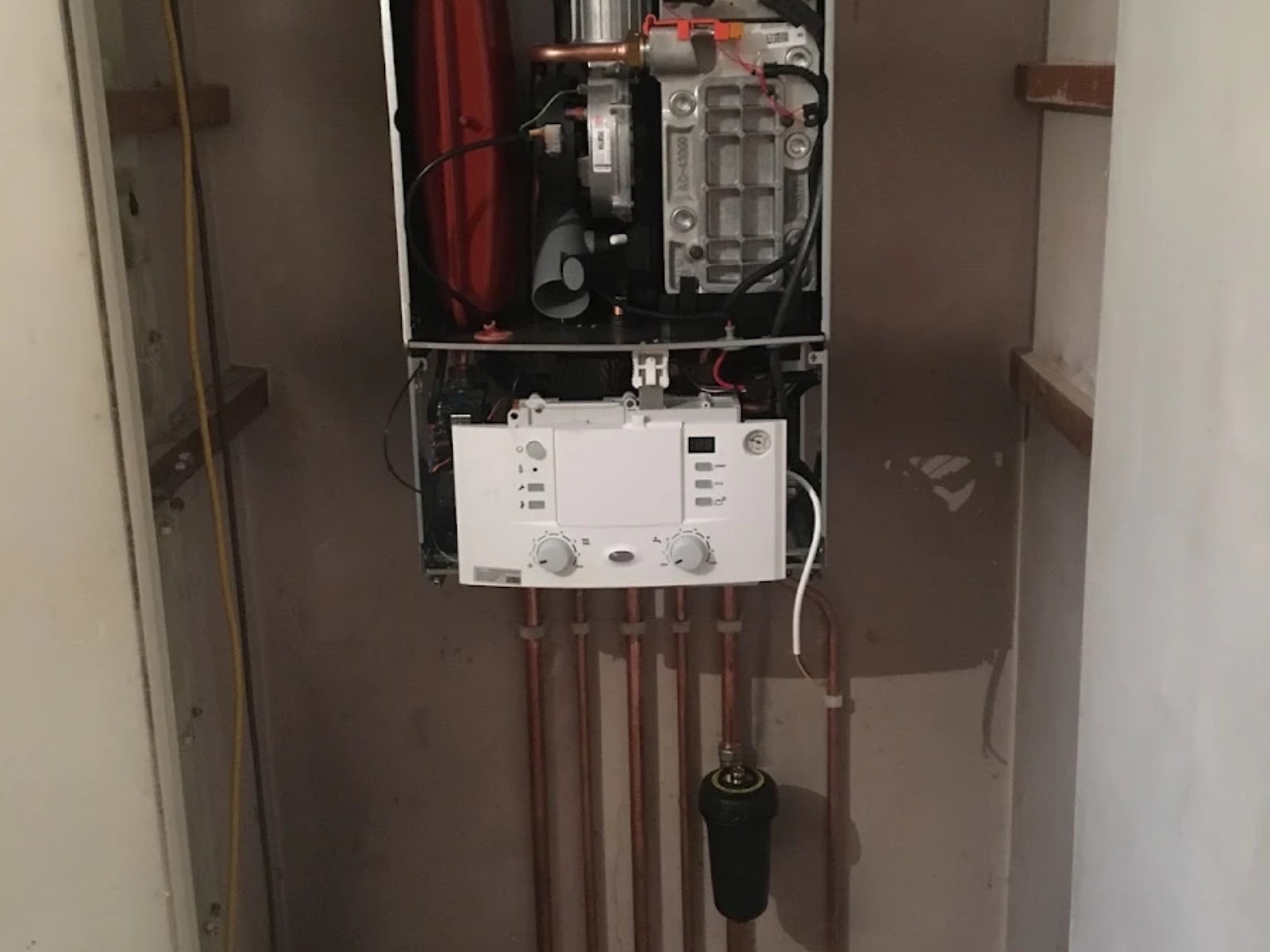
Between the boiler firing and a room getting warm there is a pump, a diverter or motorised valve, a programmer, a room thermostat and its wiring, the valves on each radiator, an expansion vessel and the water itself. A fault anywhere along that chain arrives as the same complaint, no heat, and those parts are nothing like each other in price. Working out which link has stopped is the job.

How we work back through it

  • Is a demand reaching the boiler at all? Programmer, room thermostat and wiring come first.
  • Does it fire and drop out, or never fire? That separates ignition and sensing faults from control faults.
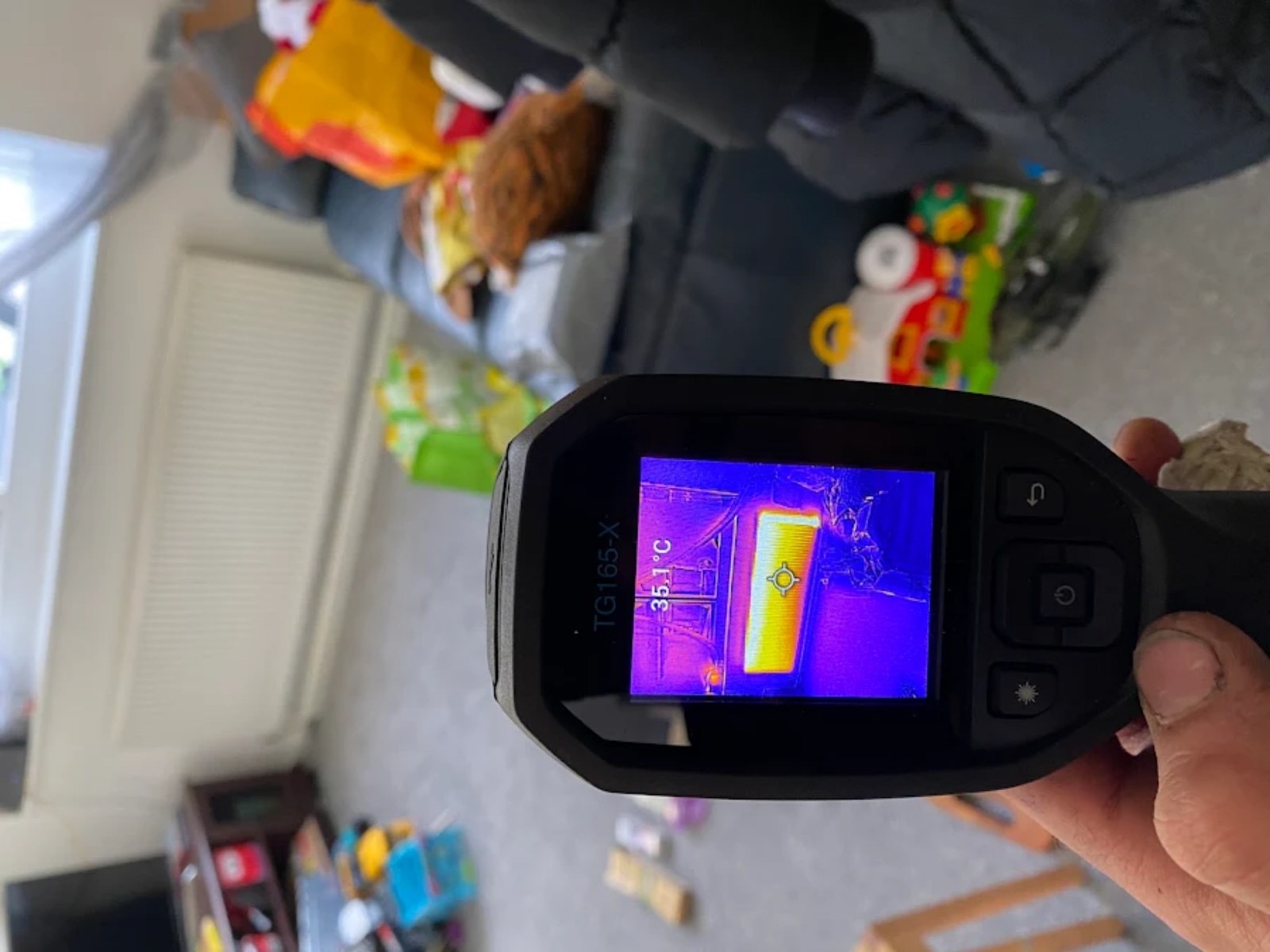
  • Is water moving? Flow and return temperatures show whether the pump is shifting anything.
  • Is the demand going where it should? Valves are the usual reason for hot water and cold radiators, or the reverse.
  • Is pressure holding? If not, water is leaving the system or the expansion vessel has lost its charge.
  • What does the water look like? Black water explains repeat failures better than any fault code.

When the system is the fault, not the part

A pump that seizes twice, a valve that goes again, radiators cold along the bottom, air that keeps coming back – that is not bad luck with parts. Corrosion debris circulating around a system wears pumps and valves and blocks the narrow passages in a modern heat exchanger. Fitting the same part again treats the symptom. A magnetic filter on the return does more for a system than an oversized pump will.

Repair or replace

Repair is the sensible call on a boiler that is not especially old with a part still in production. Replacement makes more sense when parts are obsolete, when there have been several separate failures, or when the fault is a heat exchanger, because at that point you are spending a large share of a new boiler on an old one. We will tell you plainly which you are in. New boilers start at £1,900 + VAT supplied and fitted for a straight combi swap, same type and position, including the boiler, flue, fittings and a system filter.

We work on Worcester Bosch, Baxi, Vaillant, Ideal and Glow-worm. Fixed price agreed before work starts, no call-out fee. Call 0161 515 9977 or email admin@nelsonplumbing.co.uk.
Reviews

Rated 9.86 out of 10 from 491 reviews

Every review below is from a real Nelson Plumbing and Heating customer across Greater Manchester.

9.86/10Checkatrade · 491 reviews
4.9/5Google reviews

FAQs

Questions we get asked

Straight answers before you book. If yours is not here, pick up the phone and ask.

0161 515 9977
Why are some radiators cold at the bottom?

Cold at the bottom means sludge, magnetite that has settled out of the system water. Cold at the top means trapped air and just needs bleeding. Sludge needs a powerflush or a chemical clean, plus a magnetic filter to stop it coming straight back.

What is a powerflush?

Pumping cleaning fluid through the system at high flow to lift out sludge and debris, then flushing until it runs clear and adding inhibitor. It restores circulation and protects the boiler, and it is only worth doing when a filter and inhibitor go in behind it.

My heating comes on when I have not asked it to, why?

Usually the programmer schedule, a stuck zone valve, or a thermostat sited badly, for example in a cold hallway or next to a radiator. Smart thermostats also default to schedules people forget they set.

How long should a heating system last?

Radiators and pipework can run for decades if the water is treated. The boiler is the shorter lived part. Systems fail early almost always because inhibitor was never topped up after work was done on them.

Do you repair underfloor heating?

Yes, including manifold faults, actuator failures, blending valves and control problems.

Fixed price, agreed first

Thinking about a new boiler? Get a price in about a minute.

Concept design · not the official website