What the law actually requires of landlords
The duties sit with the landlord, not the tenant, and they are not optional.
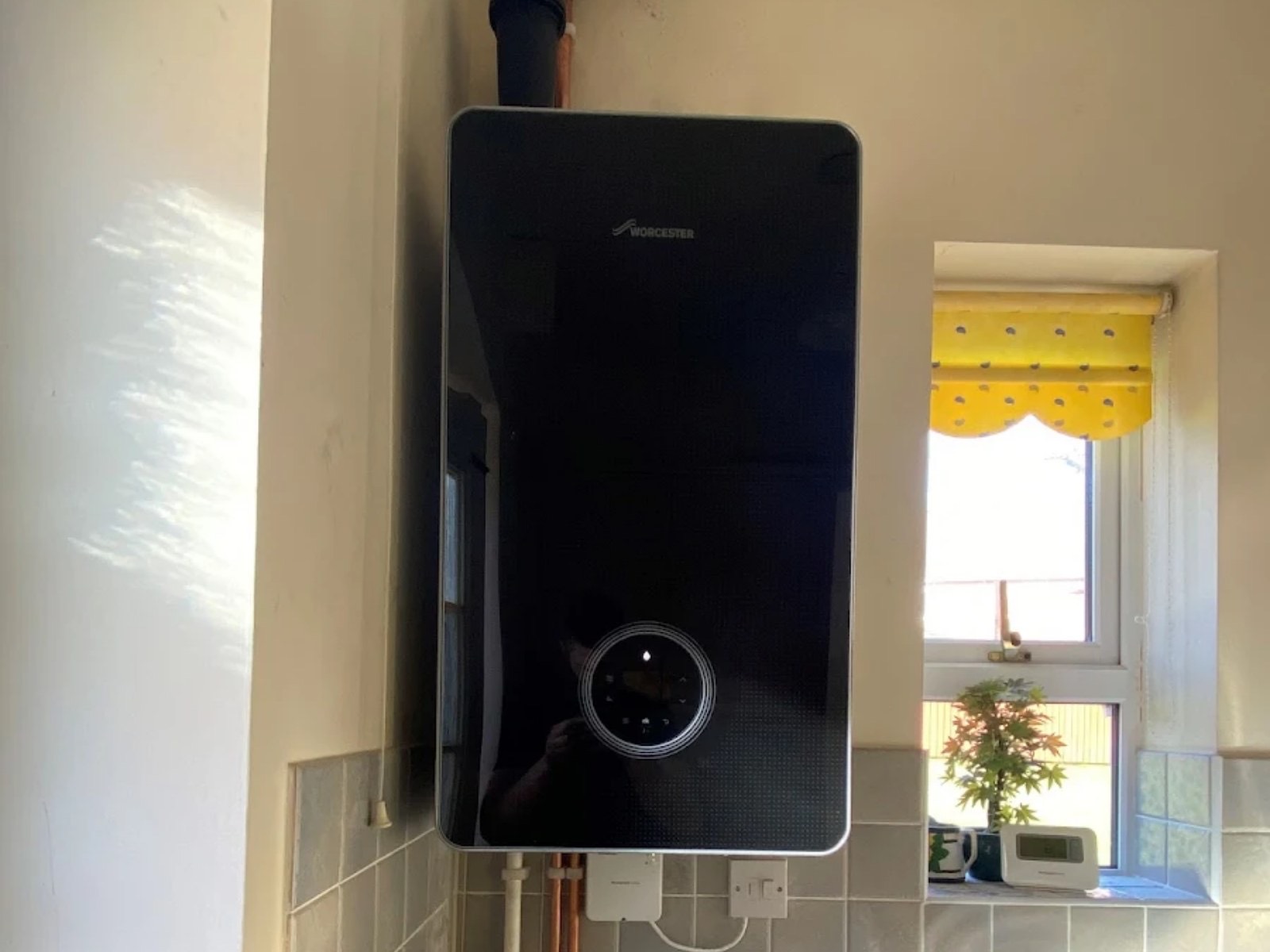
Every gas appliance and flue in the property must be checked every twelve months by a Gas Safe registered engineer. That includes appliances the landlord provides, and the pipework and flues serving them.
The record must reach the tenant within 28 days of the check, and a copy goes to any new tenant before they move in.
Records are kept for two years.
The duty covers the appliances you supply. A tenant's own cooker is not the landlord's appliance, but the installation pipework and the safety of the property still are.
Enforcement sits with the Health and Safety Executive, and failure carries penalties that can include prosecution. Just as important, insurers routinely ask for a current record after an incident, and not having one causes problems at the point of a claim.
What actually gets checked, and what a CP12 is not
A gas safety check looks at safety. It is not a service, and it does not promise the appliance will keep working.
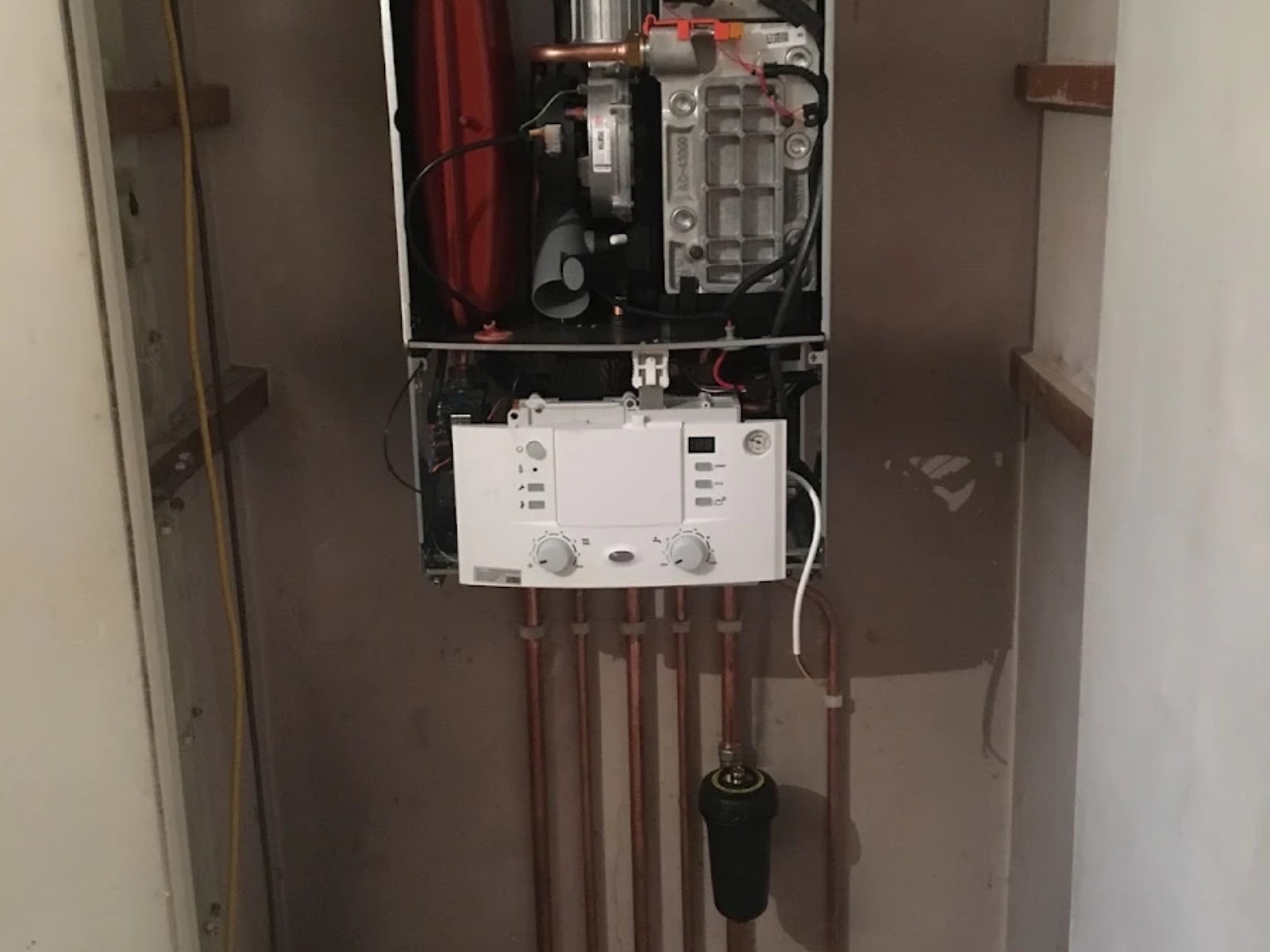
The engineer checks that appliances are correctly set and burning safely, that the flue is clearing products of combustion properly, that ventilation is adequate for the appliance, and that the installation pipework and safety devices are sound. Anything found unsafe is classified and acted on, which in the worst cases means an appliance being disconnected with the user's permission.
What it does not include is the strip down and clean of a full service. An appliance can pass a safety check and still be running inefficiently and heading for a breakdown. Most landlords are better off having the service done at the same visit, but the two should be quoted honestly rather than blurred together.
Getting access, which is the part that actually goes wrong
The commonest reason a certificate lapses is not cost, it is a tenant who is not in.
The law expects landlords to take reasonable steps and to be able to show they tried. Written notice, repeated attempts and a record of them all matter. Letting a certificate expire while waiting is still a breach, so the paper trail is what protects you.
Practical version: book earlier than you need to, put the request in writing, keep the replies, and offer times that suit the tenant rather than the engineer. Most access problems disappear when the appointment is not at eleven on a Tuesday.